Welcome to our curated guide on medical tourism indonesia — the definitive resource for premium options across Indonesia.
Medical tourism in Indonesia offers world-class healthcare within government-licensed facilities, primarily centered in the Sanur Medical SEZ in Bali, alongside established corridors in Jakarta, Surabaya, and Yogyakarta. Patients receive high-quality, internationally accredited treatments across regenerative medicine, IVF, dental, and cosmetic surgery, often at 50-70% lower costs than Western countries. This initiative is backed by robust Ministry of Health oversight, ensuring patient safety and clinical excellence.
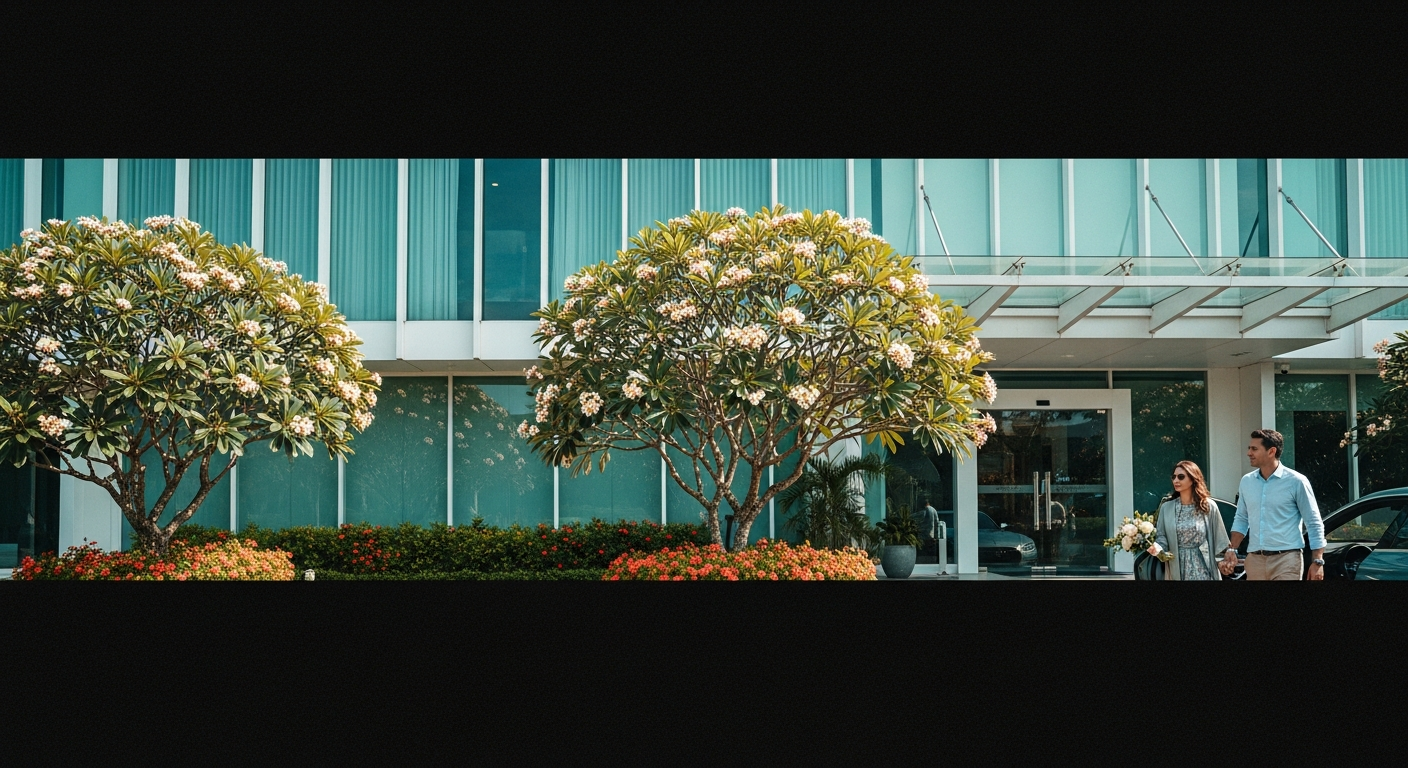
The warm air settles, a gentle breeze carrying the scent of frangipani and the promise of renewal. Here, in Indonesia, your journey to advanced health and rejuvenation begins, blending unparalleled medical expertise with a serene recovery environment.
The Sanur Medical SEZ: Indonesia’s Gateway to Global Healthcare
Bali’s Sanur Special Economic Zone for Health (Kawasan Ekonomi Khusus Kesehatan Sanur) stands as Indonesia’s flagship initiative in medical tourism. This 41.26-hectare development, inaugurated in 2022 by President Joko Widodo, positions Indonesia as a premier destination for international patients seeking high-quality care. At its core, the Bali International Hospital (BIH), operated in collaboration with the Mayo Clinic, offers a 250-bed capacity and houses 10 specialized centers, including oncology, cardiology, and neuroscience. The Indonesian government has invested approximately IDR 3.6 trillion (around USD 240 million) into the SEZ, aiming to attract 200,000 foreign medical tourists annually by 2027. This strategic zone provides comprehensive services, from advanced diagnostics to complex surgeries, all under stringent international protocols. Patients find medical professionals, many trained in Australia, Europe, and the USA, who speak multiple languages, including English, Mandarin, and Japanese. The Sanur SEZ operates with specific regulatory frameworks designed to streamline patient experience, offering visa-on-arrival facilities and dedicated medical concierge services. A direct 30-minute transfer from Ngurah Rai International Airport (DPS) connects patients directly to advanced care. This dedicated medical precinct is set to achieve Joint Commission International (JCI) accreditation by 2025, solidifying its commitment to global standards. The Ministry of Health Republic of Indonesia supervises all operations within the SEZ, guaranteeing adherence to national and international medical guidelines. For more detailed information on Indonesia’s health sector development, consult Wikipedia’s overview of Health in Indonesia. The Sanur SEZ is not merely a hospital complex; it integrates a medical hotel, a commercial area, and wellness facilities, ensuring a holistic patient experience.
Advanced Therapies: Regenerative Medicine & Stem Cells in Indonesia
Indonesia emerges as a significant player in the field of regenerative medicine, particularly with its advancements in stem cell therapies. Specialized clinics and hospital departments, especially within the Sanur SEZ and major Jakarta medical centers, offer treatments for orthopedic conditions, anti-aging, neurological disorders, and autoimmune diseases. These therapies often utilize autologous (patient’s own) mesenchymal stem cells derived from adipose tissue or bone marrow, processed in government-licensed, GMP-certified laboratories. Clinical studies in Jakarta’s Cipto Mangunkusumo Hospital have shown promising results in treating osteoarthritis with stem cell injections, with patients reporting up to 70% reduction in pain within six months. The cost of a comprehensive stem cell therapy course in Indonesia can range from USD 8,000 to USD 25,000, representing a significant saving of 60-80% compared to equivalent procedures in the USA or Australia. Indonesia’s Ministry of Health provides strict guidelines for stem cell research and application, ensuring ethical practices and patient safety. Dr. Hendri Susanto, a leading regenerative medicine specialist at Medistra Hospital in Jakarta, oversees a team that has performed over 1,500 stem cell procedures since 2018. Patients receive personalized treatment plans, often integrating post-procedure rehabilitation and nutritional support. The focus remains on evidence-based practices, with clinics regularly publishing their outcomes in peer-reviewed journals. Regenerative therapies extend beyond stem cells, encompassing PRP (Platelet-Rich Plasma) injections for joint pain and hair restoration, and exosome therapies for cellular rejuvenation. These cutting-edge treatments are typically offered in dedicated units that adhere to ISO 15189 standards for medical laboratories, ensuring precision and reliability. Consider exploring detailed insights into these therapies on our Regenerative Therapies section.
Precision Healthcare: IVF, Dental, and Cosmetic Surgery Excellence
Indonesia delivers exceptional standards across key medical tourism specializations: In Vitro Fertilization (IVF), comprehensive dental care, and advanced cosmetic surgery. For couples seeking fertility solutions, Indonesian IVF clinics, such as those at Morula IVF Jakarta, report success rates comparable to leading international centers, with an average clinical pregnancy rate of 45-55% for women under 35. A full IVF cycle, including medication and embryo transfer, averages USD 4,000-7,000, offering 50-70% cost savings against Western prices. Leading fertility specialists, like Dr. Ivan Sini, provide personalized care using state-of-the-art embryology labs. Dental tourism thrives, particularly in Bali and Jakarta, where clinics employ advanced digital dentistry techniques, including CAD/CAM technology for same-day crowns. A single dental implant, including the crown, costs approximately USD 800-1,500, a fraction of the USD 4,000-6,000 typically charged in Australia. Clinics like Rejuvie Dental Clinic in Bali uphold European hygiene standards and offer a full spectrum of services from aesthetic veneers to complex oral surgeries. Many dentists hold international certifications from institutions like the American Academy of Cosmetic Dentistry. Cosmetic surgery in Indonesia offers a discreet and professional experience. Board-certified plastic surgeons, often trained in South Korea or the USA, perform procedures ranging from rhinoplasty (average USD 2,500-4,000) and breast augmentation (average USD 3,500-6,000) to liposuction and facelifts. Hospitals such as BIMC Hospital in Bali feature dedicated cosmetic surgery departments, equipped with modern operating theaters and recovery suites that meet international safety standards. Patients receive thorough pre-operative consultations, often via telemedicine, and comprehensive post-operative care, including specialized nursing and recovery support. Explore more about specific dental options on our Dental Care in Indonesia page.
Holistic Wellness: Detox, Ayurveda, and Anti-Aging Programs
Beyond specific medical procedures, Indonesia offers an expansive spectrum of holistic wellness and anti-aging programs, integrating traditional practices with modern science. Bali, in particular, serves as a global hub for wellness retreats. Programs focus on detoxification, stress reduction, and cellular rejuvenation. Ayurvedic treatments, rooted in ancient Indian healing traditions, are available in certified centers across Bali and Yogyakarta. These centers employ practitioners trained in authentic Ayurvedic medicine, offering personalized panchakarma detoxifications, herbal remedies, and therapeutic massages. A 7-day Ayurvedic detox program typically costs between USD 1,500 and USD 3,000, including consultations, treatments, and organic meals. Reputable centers like Fivelements Retreat Bali integrate eco-friendly practices with their wellness offerings. Anti-aging programs blend advanced diagnostic testing, such as genetic profiling and hormone level assessments, with personalized interventions. These include bio-identical hormone replacement therapy (BHRT), intravenous vitamin infusions, and nutraceutical supplementation, all supervised by medical doctors. Clinics in Jakarta and the Sanur SEZ specialize in longevity medicine, focusing on preventative care and optimizing metabolic health. A comprehensive anti-aging consultation and initial treatment plan may start from USD 500. Wellness retreats often incorporate yoga, meditation, hydrotherapy, and specialized nutrition plans, providing a serene environment conducive to healing and rejuvenation. Many programs range from 3 to 14 days, offering tailored experiences for individuals seeking profound physical and mental restoration. The government actively promotes wellness tourism as part of the broader medical tourism strategy, ensuring that all licensed wellness centers adhere to health and safety regulations. You can find more information about the diverse travel experiences Indonesia offers at Indonesia.Travel.
Government Oversight & Quality Assurance Across Medical Corridors
Indonesia’s commitment to medical tourism is underpinned by rigorous government oversight and a steadfast dedication to quality assurance. The Ministry of Health Republic of Indonesia serves as the primary regulatory body, establishing and enforcing strict licensing requirements for all hospitals, clinics, and medical professionals involved in medical tourism. This ensures that facilities meet national healthcare standards and that practitioners possess the necessary qualifications and experience. The concept of “medical corridors” designates specific regions – Bali (Sanur SEZ), Jakarta, Surabaya, and Yogyakarta – as key hubs for international patients, concentrating resources and regulatory scrutiny. Several leading Indonesian hospitals have achieved international accreditation from organizations such as Joint Commission International (JCI), demonstrating adherence to global benchmarks for patient safety and quality of care. For instance, Siloam Hospitals Group, with multiple facilities across Indonesia including Jakarta and Surabaya, holds several JCI accreditations, reflecting their commitment to excellence. These accreditations cover areas from infection control to medication management and facility safety. Regular audits and inspections by the Ministry of Health maintain compliance, ensuring that medical tourists receive care that is both safe and effective. Furthermore, the Indonesian Medical Council (Konsil Kedokteran Indonesia) oversees the registration and ethical conduct of all doctors, ensuring accountability and professional integrity. The government’s proactive role extends to facilitating the entry of international patients, with dedicated services for medical visa processing and on-arrival assistance. This structured approach provides a transparent and secure environment for medical tourists seeking advanced procedures in Indonesia. The legal framework supporting medical tourism emphasizes patient rights, confidentiality, and access to redress mechanisms. This robust regulatory environment provides confidence for international patients considering medical tourism Indonesia.
Beyond Bali: Jakarta, Surabaya, Yogyakarta Medical Hubs
While the Sanur Medical SEZ in Bali garners significant attention, Indonesia’s medical tourism extends to established, high-performing medical hubs in Jakarta, Surabaya, and Yogyakarta. These cities offer a diverse range of specialized medical services, often complementing the offerings in Bali. Jakarta, as the nation’s capital, hosts a concentration of premier hospitals and specialized clinics. Hospitals like Pondok Indah Hospital and Medistra Hospital are renowned for their advanced diagnostic capabilities, complex surgeries, and specialized centers for cardiology, neurology, and oncology. Pondok Indah Hospital, for example, features state-of-the-art imaging technology, including 3T MRI and 256-slice CT scans. Jakarta’s international airport (Soekarno-Hatta International Airport, CGK) receives over 60 million passengers annually, making it a highly accessible entry point. Surabaya, located in East Java, is another growing medical center. Hospitals such as Mitra Keluarga Surabaya are recognized for their excellence in orthopedic surgery and digestive disease treatment. The city offers a more localized experience with competitive pricing for various procedures. Surabaya is approximately a 1.5-hour flight from Jakarta. Yogyakarta, the cultural heart of Java, also contributes significantly to Indonesia’s medical tourism landscape, particularly with its academic medical centers and specialized clinics. Sardjito Hospital, affiliated with Gadjah Mada University, is a leading teaching hospital providing comprehensive care and engaging in medical research. Yogyakarta is approximately a 1-hour flight from Jakarta and offers a tranquil environment for recovery. These regional hubs provide additional choices for patients, ensuring access to specific expertise or preferred recovery settings. Many specialists in these cities have received international training and maintain affiliations with global medical societies, contributing to the high standard of care available throughout medical tourism Indonesia. Each city offers unique cultural experiences for accompanying family members, from Jakarta’s vibrant urban life to Yogyakarta’s ancient temples, including the UNESCO World Heritage site of Borobudur Temple, approximately 40 km northwest of the city. For information on cultural sites, consult UNESCO’s page on Indonesia.
Your path to improved health and well-being awaits. Discover the comprehensive services, world-class expertise, and serene recovery environments that make medical tourism Indonesia an exceptional choice. Explore our detailed service offerings, connect with our patient advisors, and begin planning your bespoke medical journey today. Visit medicaltourismindonesia.com to learn more about how we can support your health goals.